

In the field of medical dialysis, equipment such as hemodialysis and hemofiltration machines are critical life-sustaining tools for patients with end-stage renal disease. Their core functions--precise delivery of dialysate, replacement fluid, and waste fluid discharge--directly determine treatment efficacy and patient safety. The stability, accuracy, and biosafety of fluid control systems are the fundamental prerequisites for the reliable operating of dialysis equipment. Micro gear pump, with technical advantages of “micron-level flow control, medical grade safety design, and long-term stable operation, “ has become the core component of choice for leading global dialysis equipment manufacturers. As a manufacturer specializing in micro fluid control technology, J-Tron combines medical industry practices to analyze the technical adaptation logic between gear pump and dialysis equipment.
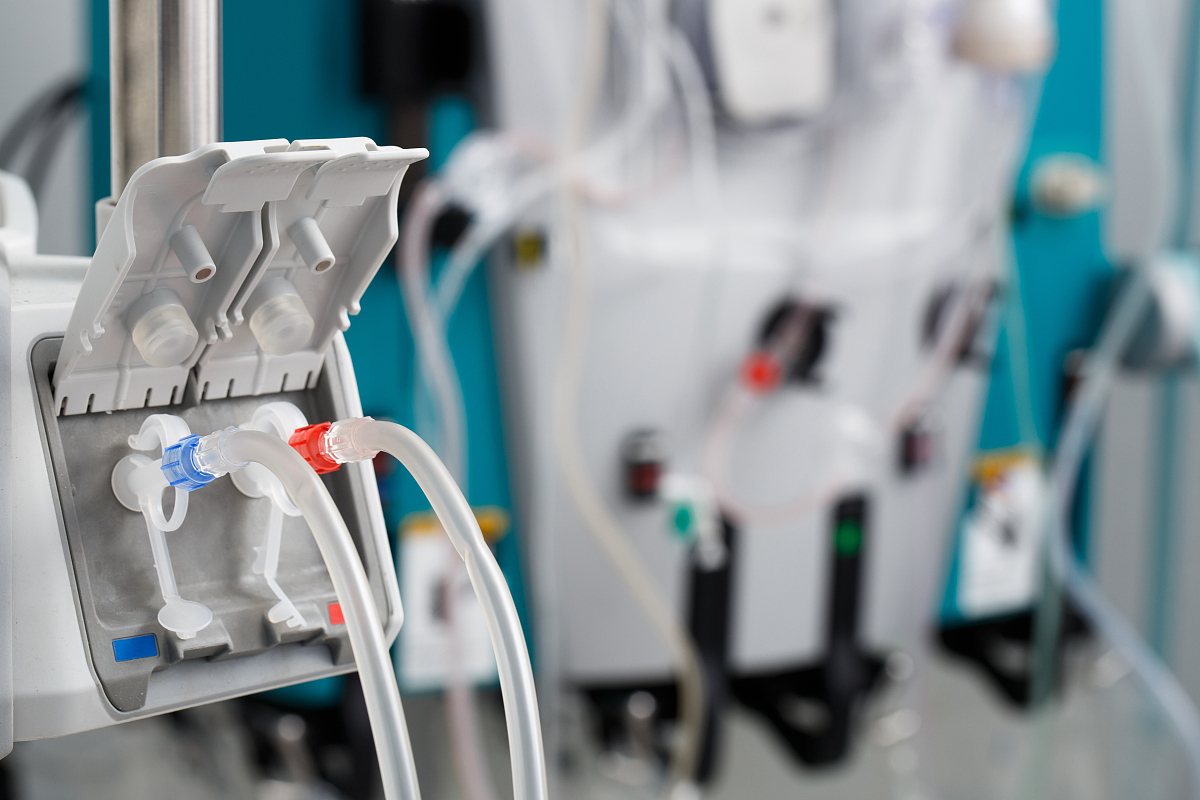
1. Precise Flow Control: The Core Requirement for Ensuring Dialysis Treatment Accuracy
During dialysis treatment, dialysate flow rate (typically requring stability at 500ml/min ±5%) and replacement fluid infusion rate (precisely adjusted based on patient weight, with an error of <±1%) directly affect solute clearance rate and fluid balance. Excessive flow fluctuations can lead to substandard treatment and even risjs such as patient blood pressure fluctuations and electrolyte disorders.
Micro gear pump adopts a positive displacement working principle, achieving “quantitative delivery” through precisely meshed gear grooves. The flow output maintains a strictly linear relationship with rotational speed, allowing flow error to be controlled within ±0.5%--perfectly meeting the strict fluid accuracy requirements of dialysis equipment. Taking J-Tron’ medical-grade micro gear pump----Hemodialysis Gear Pump as an example, its wide displacement range of 0.33-1.2ml/r covers all scenarios from conventional adult dialysis (high flow demand) to precise pediatric/infant dialysis (low flow demand). Combined with brushless motor, it enables fine adjustment at the 0.33ml/min level, ensuring no stepwise flow fluctuations during treatment and providing a stable fluid foundation for clinical therapy.
2. Medical-Grade Safety Design: Avoiding Risks of Patient Infection and Hemolysis
Dialysis equipment comes into direct contact with patient blood or body fluids (e.g., dialysate exchanges substances with blood on both sides of a semipermeable membrane). The biocompatibility, anti-contamination capability, and leak-free design of fluid channels are bottom line for ensuring patient safety.
J-Tron’s Medical Gear Pump developed for the dialysis industry features a three-layer safety design:
I. Compliant Materials: The pump body is made of Medical-grade 316L stainless steel (corrosion-resistant, no metal ion leaching), gears are crafted from modified PEEK material (Biocompatibility), and PTFE (resistant to chemical corrosion from dialysate, preventing contaminant leaching);
II. Dead-End-Free Flow Paths: The pump cavity adopts a rounded transition design, with no dead ends for residual fluid accumulation. It is compatible with high-temperature sterilization or chemical disinfection, completely eliminating the risk of cross-infection;
III. Leak-Free Structure: Magnetic drive technology replaces traditional mechnical seals, eliminating the risk of shaft seal leakage and avoiding diaoysate contamination or or reverse blood contact----meeting the “zero-leakage” safety requirement for medical equipment.
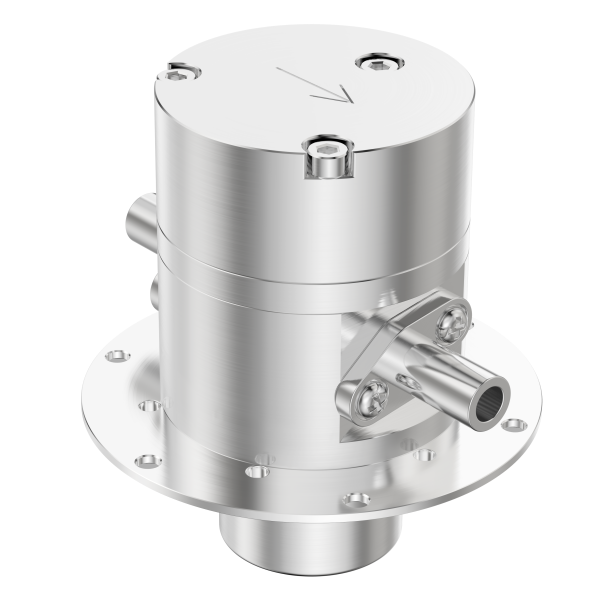
3. Low Pulsation and Long-Term Stability: Adapting to Continuous Operation Needs of Dialysis Equipment
Routine hemodialysis treatment lasts approximately 4-6 hours, while some continuous renal replacement therapy (CRRT) requires 24-hour uninterrupted operation. This demands fluid control components with “low pulsation, low wear, and long service life”----excessive pressure pulsation can damage the dialyzer membrane, and component failure directly interrupts treatment, endangering patient safety.
J-Tron’s Hemodialysis Gear Pump meets stable operation requirements through two key designes:
I. Low-Pulsation Optimization: A “double-module toothe profile” design ensures smooth volume changes in gear grooves during meshing, controlling pressure pulsation below <0.2bar. This avoids reduced dialyzer membrane permeability or red blood cell rupture (hemolysis) caused by pressure fluctuations;
II. Long-Life Structure: The gear hobbing process reduces wear by over 60%, with a life service more than 25,000 hours. This meets the clinical need of dialysis equipment for “high reliability and low maintenance frequency,” reducing hospital equipment downtime for repairs.
Conclusion: Technological Synergy Guards Patient Life Safety
In the dialysis treatment scenario----a “race against time” in healthcare----micro gear pump is not just “fluid delivery tools” but “guardians of patient safety.” Its precision ensures treatment efficacy, safety avoids medical risks, and stability supports continuous operation, forming a deep alignment with the core needs of dialysis equipment. With 15 years of experience in medical-grade micro fluid control technology, J-Tron can customize core parameters such as flow range, material selection, and inerface specifications based ono the needs of dialysis equipment manufacturers, and provide full solutions that meet CE and RoHS medical certification standards.